The Digital Fog of War: Israel's AI-Driven Edge in Tehran Operations
In the shadowy world of international espionage, the line between observation and intervention has blurred, thanks to the relentless march of technology. Modern intelligence agencies now wield sophisticated tools capable of transforming seemingly innocuous urban infrastructure into potent surveillance assets. A compelling case in point involves Israel's alleged operations in Tehran, where Mossad's Digital Eye: Hacking Tehran Traffic Cameras for Targets reportedly provided a strategic advantage, allowing for an unprecedented level of insight into the Iranian capital. This isn't just about spying; it's about leveraging artificial intelligence, big data, and human ingenuity to create a comprehensive intelligence picture, culminating in precision operations.
Hacked Traffic Cameras: Turning Urban Infrastructure into a Strategic Weapon
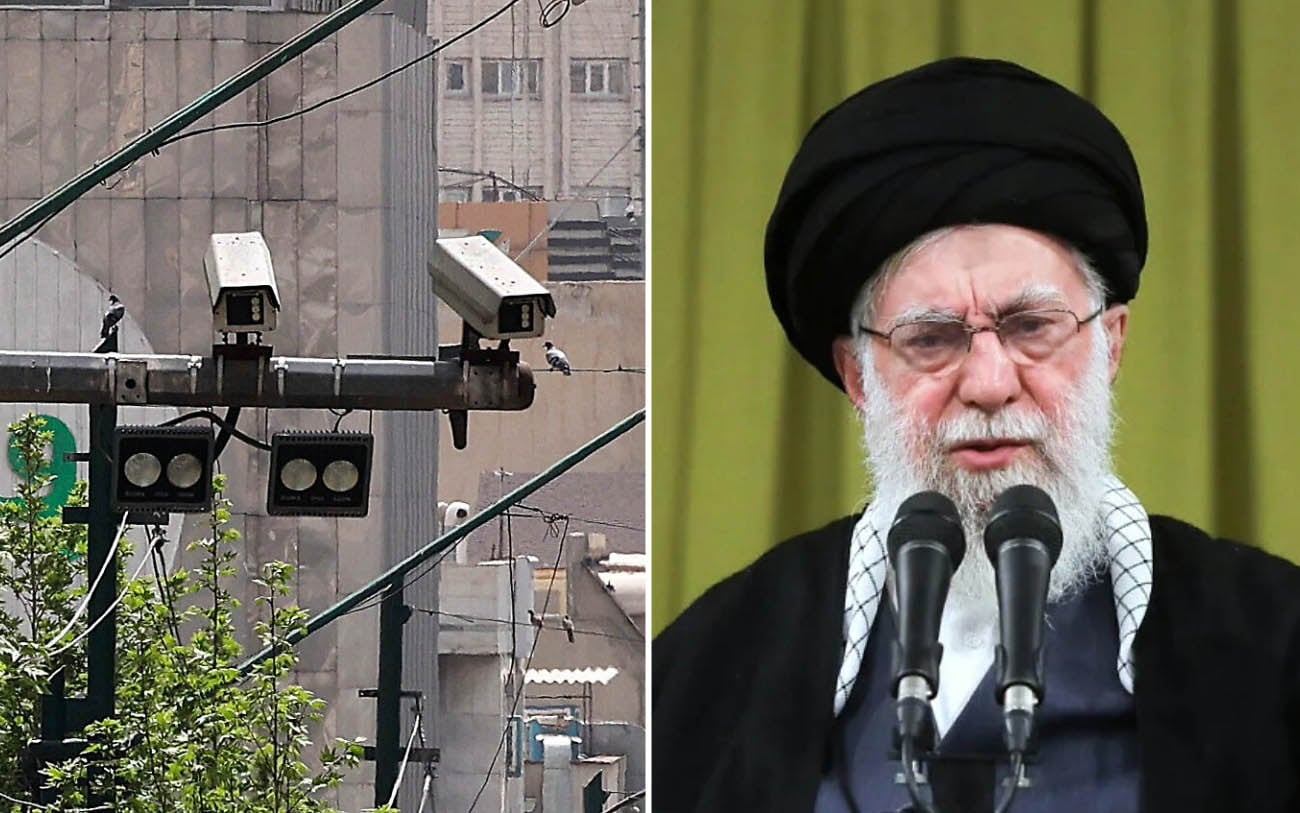
Imagine the mundane network of traffic cameras that monitor the flow of vehicles in any major city. In Tehran, these cameras, designed to manage congestion and identify lawbreakers, allegedly became an integral part of Israel's intelligence apparatus. Reports indicate that these cameras were Tracking Khamenei: How Hacked Cameras Mapped Iran's Inner Circles and other high-value targets, years before specific high-profile incidents. The initial act of gaining access to these systems was a significant breach, but the real power lay in what was done with that access.
Once compromised, these hacked traffic cameras provided a real-time, ground-level view of Tehran's streets. Israeli intelligence was able to:
- Map the City in Detail: Beyond simple street layouts, the cameras offered nuanced insights into the urban environment, including restricted areas, security checkpoints, and typical congestion points.
- Establish Movement Patterns: By continuously monitoring key locations, agencies could establish routine movements of individuals, convoys, and security details. This "pattern of life" profiling is critical for anticipating future actions.
- Build Intricate Pictures: The sheer volume of visual data, combined with other intelligence streams, allowed for the construction of a remarkably detailed and dynamic understanding of the city and its inhabitants, particularly high-ranking officials. For instance, reports suggest a specific camera angle was exploited to observe where Ayatollah Ali Khamenei's security detail parked their vehicles, leading to further intelligence gathering on their addresses and work schedules.
The ability to co-opt enemy surveillance infrastructure for one's own purposes represents a significant tactical and strategic victory. It transforms a perceived strength (Iran's state surveillance) into a profound vulnerability.
AI and Big Data: Processing the Unimaginable
The sheer quantity of raw data flowing in from hacked traffic cameras and other sources would overwhelm human analysts. This is where artificial intelligence and advanced algorithms become indispensable. The reference context highlights that Israel developed a sophisticated system over the past decade that required powerful computers to process, sort, and analyze this deluge of information.
Here's how AI played a transformative role:
- Data Fusion and Analysis: The system didn't rely solely on visual intelligence from cameras. It integrated data from diverse sources: human intelligence (HUMINT), signals intelligence (SIGINT), intercepted communications, and satellite imagery. AI algorithms excel at sifting through these disparate datasets to identify correlations, anomalies, and patterns that would be invisible to human eyes alone.
- Target Identification and Profiling: By analyzing continuous streams of data, AI could build comprehensive profiles of targets. This included not just their movements but also their associates, habits, and vulnerabilities. For instance, tracking the security details of high-value targets, understanding their shift changes, and even predicting their routes. The system could pinpoint locations with extreme precision, sometimes down to a 14-digit grid coordinate.
- Anomaly Detection: When you "know Tehran like you know Jerusalem," as one Israeli official reportedly stated, even a single thing out of place stands out. AI, by establishing baselines of normal activity, is exceptionally adept at flagging deviations – an unusual vehicle, an altered routine, an unscheduled meeting – which could signal an opportunity or a threat.
- Automated Recommendation Generation: The ultimate goal was to draw out "targets." AI tools could process all gathered intelligence and generate strike recommendations, presenting human operators with refined, data-driven options for action.
This systematic approach signifies a shift in intelligence gathering. It moves beyond reactive analysis to proactive, predictive capabilities, enabled by machine learning and vast computational power. It transforms raw data into actionable intelligence with unprecedented speed and accuracy.
A Multi-Layered Approach: Beyond Just Cameras
While the hacked traffic cameras provided a crucial foundation, they were merely one component of a far more complex and integrated intelligence machine. This multi-layered approach showcases the comprehensive nature of modern state-sponsored espionage.
The Synergy of Intelligence Streams
The system's strength lay in its ability to synthesize information from various sources:
- Visual Intelligence: From street cameras and satellite imagery, providing real-time ground views and broader spatial awareness.
- Human Intelligence (HUMINT): Infiltration and agent networks on the ground, providing contextual information, validation, and access to internal discussions. This often involves a "longstanding penetration" of an adversary's inner circles.
- Signals Intelligence (SIGINT): Intercepted communications, including phone calls and digital messages, offering insights into plans, intentions, and organizational structures.
- Tactical Disruptions: Beyond passive intelligence gathering, operations also included active measures. For example, during a critical operation, cellular service was reportedly disrupted on Tehran's Pasteur Street to prevent warnings from reaching targets, showcasing a sophisticated level of operational coordination.
This integration of data from various sources, processed by AI and validated by human experts, provided a formidable intelligence advantage. It allowed Israel to conduct highly precise operations, including the assassination of scores of Iranian officials and the opening strike in the June 2023 conflict, which allegedly killed Iran’s highest-ranking military officer.
The Human Element: Validation and Expertise
Despite the advanced role of AI and powerful computers, the human element remains irreplaceable. The system required a dedicated team of technologists, data analysts, and engineers to build, maintain, and fine-tune its processes. Crucially, human operators were responsible for validating strike recommendations generated by the AI. This partnership between machine efficiency and human judgment ensures accuracy, ethical consideration, and adaptability in complex, dynamic situations. The nuance of a specific political context, the subtle shift in a security detail's behavior, or the implications of an intelligence snippet often require human intuition and expert validation that even the most advanced AI cannot fully replicate.
Strategic Implications and Future Outlook
The revelations surrounding Israel's use of hacked traffic cameras and AI in Tehran operations carry profound strategic implications for international security and the future of warfare. This case study underscores several critical points:
- Vulnerability of Critical Infrastructure: The incident highlights that everyday urban infrastructure, if not adequately secured, can become a significant intelligence liability. Nations must recognize that their smart cities and interconnected networks are potential vectors for sophisticated espionage. Robust cybersecurity measures are no longer just for financial institutions or defense contractors but for municipal systems as well.
- The AI Arms Race: The sophisticated application of AI for intelligence fusion and target identification points to an accelerating arms race in artificial intelligence. Countries will invest heavily in developing offensive and defensive AI capabilities, transforming the landscape of espionage and conventional warfare.
- Precision and Deterrence: The ability to conduct pinpoint operations, like those attributed to Israel, offers a strategic advantage in deterring adversaries and neutralizing threats with minimal collateral damage, at least from the perspective of the operating force. This precision, however, also raises complex ethical questions about targeted killings and state sovereignty.
- The Enduring Role of Human Intelligence: Despite technological advancements, the "knowing a city like you grew up on that street" sentiment emphasizes the critical role of long-term human intelligence gathering and deep penetration in conjunction with technology. The most effective intelligence operations are a blend of both.
This case serves as a stark reminder that the digital battlefield extends far beyond traditional military domains, infiltrating the very fabric of urban life. As technology continues to evolve, so too will the methods and targets of state-sponsored intelligence operations, demanding ever-increasing vigilance and innovation from all players.
The detailed intelligence provided by hacked traffic cameras, processed and amplified by advanced AI, undeniably offered Israel a strategic edge in its Tehran operations. This narrative illuminates a future where the lines between civilian technology and military intelligence blur, transforming everyday urban environments into complex theaters of information warfare. As nations navigate this evolving landscape, the need for robust cybersecurity, sophisticated intelligence capabilities, and a deep understanding of these intertwined technologies will only continue to grow.